
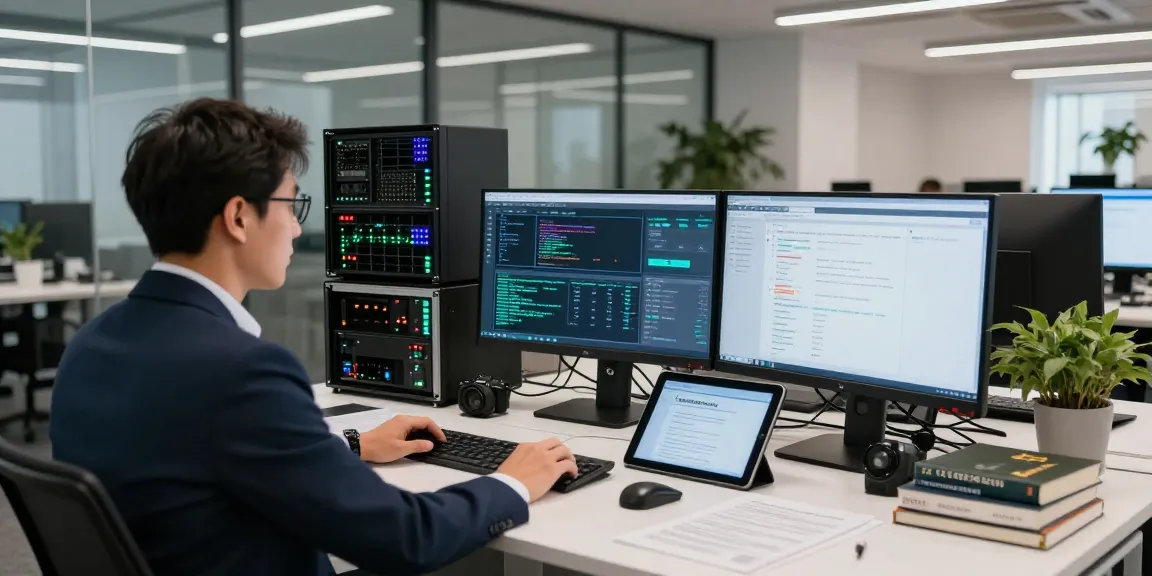
Understanding IASME Cyber Essentials
In an increasingly digitized world, cybersecurity has emerged as a top priority for businesses of all sizes. The IASME Cyber Essentials certification provides SMEs in the UK with a structured framework for improving their cybersecurity posture. This government-backed initiative is designed to protect organizations from the vast majority of common cyber threats. Achieving iasme cyber essentials certification not only safeguards sensitive information but also enhances your company’s reputation in the eyes of potential clients and partners.
What is IASME Cyber Essentials?
IASME Cyber Essentials is a certification system that focuses on five fundamental security controls to protect organizations from cyber attacks. Introduced by the UK government, this initiative aims to help organizations demonstrate their commitment to cybersecurity. The certification is particularly relevant for small to medium-sized enterprises (SMEs) that may not have the resources for extensive cybersecurity implementations.
The certification involves a rigorous self-assessment questionnaire that helps organizations evaluate their security measures against industry standards. By achieving IASME Cyber Essentials, businesses can prove they have basic cybersecurity measures in place, making it easier to secure contracts, especially those related to the public sector.
The Importance of Cybersecurity Compliance in 2026
As we head towards 2026, the landscape of cybersecurity compliance will continue to evolve. New threats emerge daily, and regulations adapt to counteract these risks. For organizations in the UK, staying compliant with certification schemes like IASME Cyber Essentials is crucial for several reasons:
- Regulatory Requirements: Many government contracts now require Cyber Essentials certification as a prerequisite.
- Competitive Advantage: Having the certification sets organizations apart from competitors by showcasing their commitment to cybersecurity.
- Risk Management: Regular assessments help identify vulnerabilities before they can be exploited, reducing the risk of data breaches.
- Customer Trust: Achieving certification fosters trust with clients by proving that their data is protected.
Key Differences Between IASME Cyber Essentials and Other Certifications
While various cybersecurity certifications exist, IASME Cyber Essentials stands out for its focus on fundamental controls tailored specifically for SMEs. Unlike ISO 27001, which is comprehensive and often resource-intensive, IASME Cyber Essentials is more accessible and provides a clear set of guidelines for organizations looking to establish a robust cybersecurity framework. The key differences include:
- Focus: IASME Cyber Essentials emphasizes basic cybersecurity measures that can be implemented quickly.
- Cost and Resources: The certification process is designed to be cost-effective, requiring less time and resources.
- Self-assessment Option: IASME allows for self-assessment, making it easier for smaller organizations to achieve compliance.
Technical Controls in IASME Cyber Essentials
The Five Core Technical Controls Explained
The IASME Cyber Essentials framework consists of five core technical controls that must be implemented to safeguard an organization against cyber threats:
- Firewalls: A secure boundary for your network to control traffic and prevent unauthorized access.
- Secure Configuration: Ensuring devices are configured to minimize vulnerabilities, such as changing default passwords and removing unnecessary services.
- User Access Control: Implementing strict controls on who has access to sensitive systems and data, ensuring only authorized users can access critical resources.
- Malware Protection: Utilizing anti-virus and anti-malware software to detect and prevent malicious software from compromising systems.
- Security Update Management: Regularly updating software and systems to patch vulnerabilities and protect against known threats.
How to Implement These Controls Effectively
Implementing the five controls effectively involves a systematic approach:
- Conduct a risk assessment to identify vulnerabilities and prioritize remediation efforts.
- Develop a security policy that outlines roles, responsibilities, and procedures for maintaining cybersecurity.
- Regularly train employees on security awareness to recognize and respond to potential threats.
- Utilize tools and software that automate updates, monitoring, and reporting for enhanced security management.
Continuous Compliance: What You Need to Know
Continuous compliance is essential for maintaining the integrity of your cybersecurity measures. With the IASME Cyber Essentials framework, organizations are encouraged to adopt a proactive stance towards compliance by regularly reviewing and assessing their security controls. This includes:
- Implementing automated systems to monitor compliance status in real-time.
- Conducting routine assessments to ensure that security controls are effective and address emerging threats.
- Establishing a culture of security within the organization that emphasizes the importance of compliance and vigilance against cyber threats.
Getting Certified with IASME Cyber Essentials
Step-by-Step Process from Registration to Certification
The journey to achieving IASME Cyber Essentials certification can be broken down into several straightforward steps:
- Registration: Create an account with an IASME Certification Body.
- Self-Assessment: Complete the self-assessment questionnaire and gather technical evidence to demonstrate compliance.
- Submission: Submit your assessment and supporting evidence to the IASME Certification Body.
- Certification: Upon successful review, you will receive your certificate and can begin marketing your achievement.
Common Challenges During Certification
While the certification process is designed to be accessible, organizations often encounter challenges such as:
- Understanding Requirements: Some businesses struggle to fully grasp what is required for each technical control.
- Resource Limitations: Smaller organizations may lack the personnel or tools necessary to implement all controls effectively.
- Documentation: Gathering and maintaining adequate documentation to support the self-assessment can be daunting.
Tips for a Smooth Certification Audit
To ensure a smooth certification process, consider the following tips:
- Allow sufficient time for preparation before the audit, ensuring all controls are in place.
- Engage with a certified consultant who can provide guidance and support throughout the process.
- Maintain open communication with your chosen certification body, addressing any concerns promptly.
Maintaining Compliance After Certification
Best Practices for Ongoing IASME Cyber Essentials Compliance
Once certified, organizations must focus on maintaining compliance to avoid potential lapses:
- Regularly review and update security policies and procedures.
- Conduct annual self-assessments to identify any areas needing improvement.
- Stay informed about cybersecurity trends and emerging threats that may affect your organization.
How to Handle Re-certification and Renewals
Re-certification is necessary every 12 months. Here’s how to handle the renewal process effectively:
- Plan your renewal application well in advance of the expiration date.
- Ensure that all technical controls remain operational and effective.
- Submit any updated documentation required by the IASME certification body.
Utilizing Monitoring Tools for Continuous Assessment
To sustain compliance, consider employing monitoring tools that provide ongoing visibility into your cybersecurity posture. These tools can help:
- Track compliance with cybersecurity standards in real-time.
- Alert you of potential vulnerabilities or breaches as they arise.
- Simplify reporting processes for both internal audits and compliance checks.
Future Trends in Cybersecurity Compliance
Emerging Threats and Preparing for Change in 2026
As the cybersecurity landscape evolves, organizations must be prepared for new threats such as advanced persistent threats (APTs) and increasingly sophisticated ransomware attacks. Key strategies for staying ahead include:
- Investing in advanced threat detection and response technologies.
- Implementing a robust incident response plan that can be activated quickly in the event of a breach.
New Developments in IASME Cyber Essentials Standards
In 2026, IASME is expected to introduce updates to its Cyber Essentials standards, focusing on adapting to the latest technological advancements and threat vectors. Businesses should stay informed about these developments to ensure ongoing compliance.
The Role of Artificial Intelligence in Cyber Compliance
Artificial intelligence (AI) is set to revolutionize cybersecurity compliance efforts by enabling faster and more accurate detection of vulnerabilities. AI-driven tools can automate many aspects of the compliance process, allowing organizations to focus on strategic security initiatives.
What are the Benefits of IASME Cyber Essentials for SMEs?
For SMEs, achieving IASME Cyber Essentials certification offers numerous benefits:
- Cost-effective Security: Provides a structured and affordable way to improve cybersecurity.
- Enhanced Reputation: Builds customer trust and opens opportunities for government contracts.
- Reduced Risk: Lowers the chances of suffering from cyber incidents and data breaches.
How to Choose the Right Certification Partner?
Selecting the right certification partner is crucial for a successful certification journey. Look for partners with:
- Proven experience in the IASME certification process.
- Positive client testimonials and case studies.
- Transparent pricing structures without hidden fees.