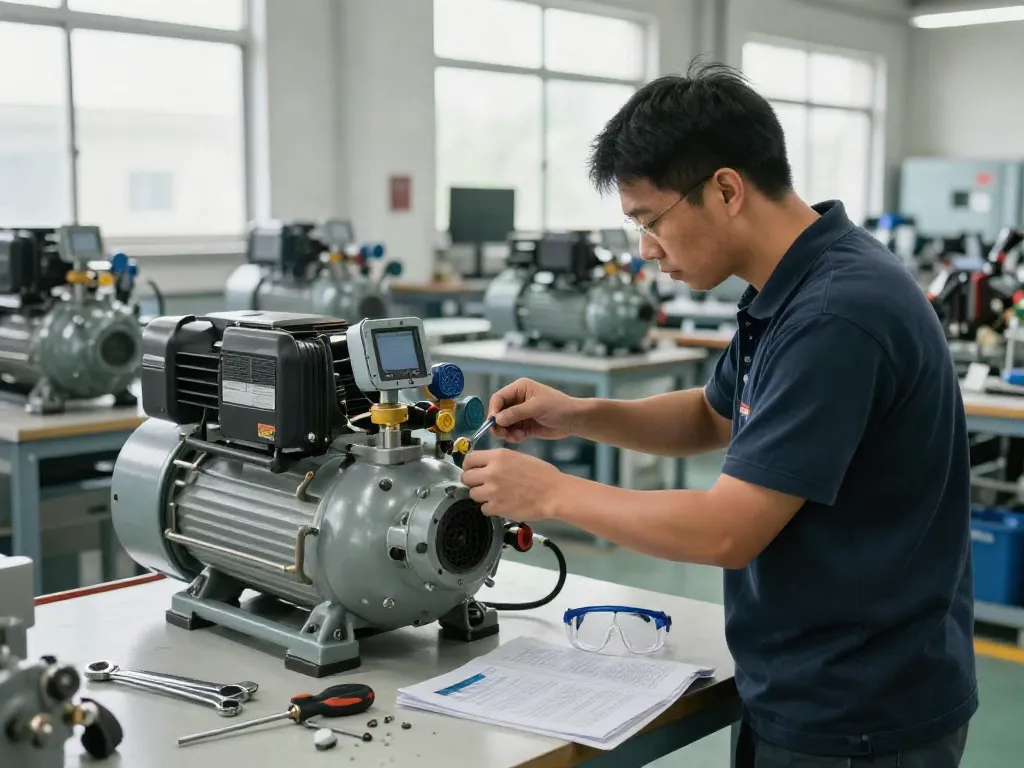
Understanding Air Compressor Pressure Switch Functions
Air compressor pressure switches are vital components in both simple and complex compressed air systems. They serve as the control mechanism that regulates the pressure of the air produced by the compressor. Understanding these devices is crucial for anyone working with air compressors, from hobbyists to industrial operators. These switches not only ensure that the compressor operates within safe levels but also help maintain efficiency and prolong equipment lifespan. When exploring options, air compressor pressure switch models from trusted manufacturers can offer enhanced reliability and performance.
What Is an Air Compressor Pressure Switch?
An air compressor pressure switch is an electromechanical device that monitors the pressure of the compressed air within the system. When the pressure reaches a predetermined level, the switch activates or deactivates the compressor motor. This automatic control is essential for preventing over-pressurization, which could lead to equipment failure or hazardous conditions.
Key Functions and Importance in Compressor Systems
The primary function of a pressure switch is to regulate the compressor's operation by establishing two key pressure points: the cut-in pressure and the cut-out pressure. The cut-in pressure is the point at which the switch closes and the compressor motor starts, while the cut-out pressure is the maximum pressure level at which the switch opens and turns off the motor. This cycle helps maintain a consistent pressure level, which is crucial for the optimal functioning of air tools and appliances connected to the compressor.
Common Pressure Switch Types in the Market
- Mechanical Pressure Switches: These are the most common type, relying on a spring and diaphragm to activate the switch based on pressure changes.
- Electronic Pressure Switches: These advanced switches use electronic sensors for precise pressure monitoring and control, allowing for more accurate and flexible operation.
- Adjustable Pressure Switches: These allow users to set both cut-in and cut-out pressures according to their specific needs, providing versatility for different applications.
Benefits of Upgrading to Premium Air Compressor Pressure Switches
Investing in premium air compressor pressure switches brings a host of advantages that improve both performance and reliability. Quality components can significantly enhance the overall operation of air compressors, leading to reduced downtime and increased productivity.
Enhanced Reliability and Performance
Premium pressure switches are typically built with better materials and engineering, resulting in greater durability and reliability. This enhancement means fewer breakdowns and longer lifespans for both the switch and the compressor system as a whole. Users can expect consistent performance even in demanding environments.
Long-Term Cost Efficiency and Maintenance
While premium pressure switches may have a higher initial cost than their cheaper counterparts, the long-term savings can be substantial. Lower failure rates translate into reduced maintenance costs and less frequent replacements. Thus, investing in quality components leads to greater overall efficiency and reliability of the air compressor system.
Compatibility with Diverse Air Compressor Models
Quality pressure switches are designed to be compatible with a wide range of air compressor models, making them suitable for various applications, from small workshops to large industrial setups. This flexibility allows for easier integration and maintenance, enabling users to stock fewer replacement parts.
Installing an Air Compressor Pressure Switch: A Step-by-Step Guide
Installing a pressure switch on an air compressor can be a straightforward process if you follow the right steps. Proper installation is crucial for optimal function and safety.
Required Tools and Safety Precautions
- Adjustable Wrench
- Screwdriver
- Safety Goggles
- Hose Clamp (if necessary)
- Socket Set
Before starting the installation, ensure the compressor is turned off and unplugged. Always wear safety goggles to protect your eyes from any debris that may fly during the process.
Installation Process Explained
- Locate the existing pressure switch on your air compressor. If it’s damaged or malfunctioning, it will need to be replaced.
- Remove the old switch by disconnecting the wires and unscrewing it from its mounting position.
- Install the new pressure switch by following the manufacturer's instructions. Attach it securely, ensuring there are no leaks.
- Reconnect the electrical wires, paying close attention to the proper connections as per the switch specifications.
Testing and Calibration for Optimal Function
Once installed, it's crucial to test the new pressure switch. Plug the compressor back in and allow it to fill up to the cut-out pressure. Monitor the switch operation to ensure it engages and disengages at the correct pressure levels. If adjustments are necessary, consult the pressure switch’s manual for guidance on calibration.
Common Issues with Air Compressor Pressure Switches
Even the best pressure switches can experience issues over time. Awareness of common problems can help users troubleshoot effectively and maintain optimal performance.
Signs of a Failing Pressure Switch
Some common signs that may indicate a failing pressure switch include:
- Inconsistent pressure levels
- Frequent cycling of the compressor
- Burning smell or unusual noises
- Visible damage or corrosion on the switch
Troubleshooting Techniques for Common Problems
If you suspect that your pressure switch is failing, there are a few troubleshooting techniques you can employ:
- Check the electrical connections for signs of damage or corrosion.
- Test the pressure levels using a reliable gauge to determine if they are within an acceptable range.
- Inspect the diaphragm for leaks or blockages that may affect operation.
When to Seek Professional Assistance
If you are unable to diagnose or fix the issue after troubleshooting, it may be time to consult a professional technician. Complex electrical issues or significant damage may require expert intervention to ensure safe and effective repairs.
Looking Ahead: Future Trends in Air Compressor Technology
The air compressor industry is continually evolving, with advancements in technology aimed at improving efficiency, safety, and usability.
Emerging Innovations in Pressure Switch Design
Future trends indicate a shift towards more advanced electronic pressure switches that offer better precision and programmability. These devices may incorporate predictive analytics and self-diagnostic capabilities to enhance operational reliability.
Impact of IoT on Air Compressor Systems
The integration of Internet of Things (IoT) technology into air compressor systems is set to transform the landscape. Smart pressure switches could provide real-time data on system performance, alerting users to potential issues before they escalate.
Key Considerations for 2026 and Beyond
As we look towards 2026, it’s essential for manufacturers and operators to stay informed about emerging technologies and shifts in industry standards. Prioritizing energy efficiency and sustainability will be critical as regulatory pressures increase globally.
Frequently Asked Questions
How do I know if my air compressor pressure switch is bad?
Look for signs such as erratic pressure readings, failure to start or shut off, and unusual noises or smells coming from the switch.
How do I adjust an air compressor pressure switch?
Adjust the pressure settings by locating the adjustment screws on the switch. Turning them clockwise typically increases the cut-in and cut-out pressure.
Does an air compressor need a pressure switch?
Yes, a pressure switch is crucial for maintaining safe operational pressures, ensuring that the compressor functions correctly.
How to reset compressor pressure switch?
To reset a pressure switch, simply turn off the compressor, wait for a minute, and then turn it back on. This should reset the switch.
What maintenance is required for pressure switches?
Regular inspection for dirt, corrosion, and proper calibration is essential. Cleaning and testing the switch periodically will help ensure its longevity and performance.