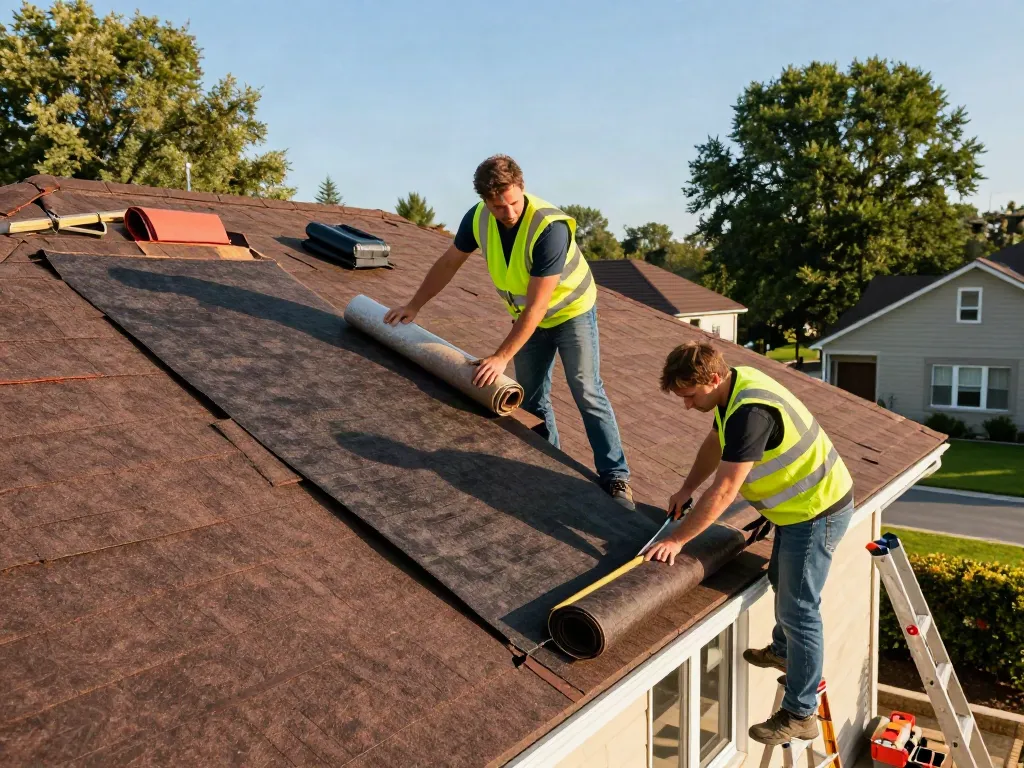
Understanding Felt Roof Replacement
Felt roofing is a prevalent choice for many homeowners seeking reliable, cost-effective solutions for flat or low-pitched roofs. It offers durability and weather resistance, making it suitable for various structures such as garages, sheds, and extensions. However, like any roofing system, felt roofs can reach a point where replacement becomes necessary. This article provides an in-depth exploration of felt roof replacement, its benefits, and important considerations when making this significant home improvement decision. When exploring options, felt roof replacement provides comprehensive insights into choosing the right contractors and ensuring high-quality work.
What Is Felt Roofing?
Felt roofing, commonly used in residential and commercial buildings, typically consists of a waterproof membrane that is adhered to a substrate with the use of bitumen or adhesives. Modern felt roofs have evolved significantly, often utilizing multiple layers of reinforced materials that enhance strength and resistance to weather elements. The installation can be carried out using torch-on felt systems, where layers are heated for superior bonding, or cold-applied systems that utilize adhesives. This versatility makes felt roofing an attractive option for a variety of building designs.
Benefits of Felt Roof Replacement
Replacing an old or damaged felt roof brings numerous benefits:
- Enhanced Durability: Modern felt roofing systems offer improved longevity, often exceeding 20 years when installed correctly.
- Improved Weather Resistance: Newer materials provide better protection against rain, snow, and UV exposure, reducing the risk of leaks and other damage.
- Energy Efficiency: Upgrading to insulated felt systems can help maintain indoor temperatures, potentially lowering energy bills.
- Increased Property Value: A new felt roof enhances the aesthetic appeal and functionality of your property, which can boost its overall value.
Common Materials Used in Replacement
Different materials are used in felt roof replacements, each with its unique advantages:
- Reinforced Bitumen Felt (RBF): This is the most common choice, offering durability and flexibility.
- EPDM (Ethylene Propylene Diene Monomer): A synthetic rubber material known for its excellent weather resistance.
- Fibreglass: Often preferred for its lightweight and strong characteristics, making it ideal for low-pitched roofs.
Signs Your Felt Roof Needs Replacement
Homeowners should be vigilant when it comes to the condition of their felt roofs. Here are several signs that indicate a roof replacement may be necessary:
Identifying Damage Indicators
Common signs of damage include blistering, cracks, and tears in the felt material. Regular inspections can help catch these issues early, preventing more extensive damage and costly repairs.
Assessing Water Leakage Risks
Water leaks can be a significant concern for felt roofs. If you notice water stains on ceilings or walls, it could be a clear indication of a failing roof. Addressing leaks promptly is crucial to prevent extensive interior damage.
The Importance of Timely Replacement
Delaying a felt roof replacement can lead to increased repair costs and more extensive damage to your property. It’s essential to act quickly when you notice signs of deterioration.
Choosing the Right Roofing Specialists
Selecting a qualified contractor for your felt roof replacement is critical. The right professionals can ensure proper installation and minimize the risk of future problems.
What to Look for in a Roofer
When choosing a roofing specialist, consider their experience, customer reviews, and portfolio of past work. Look for contractors with a proven track record in felt roofing specifically.
Ensuring Qualifications and Insurance
Verify that any contractor you consider has the necessary certifications and insurance. This protects you in case of accidents or damage during the replacement process.
Reading and Understanding Reviews
Reading customer reviews can offer insights into the reliability and quality of the contractor’s work. Pay attention to consistent themes in feedback, whether positive or negative.
The Replacement Process Explained
The process for replacing a felt roof typically follows several stages, ensuring that the new roof is installed correctly and efficiently.
Step-by-Step Guide to Replacement
The roof replacement process generally involves:
- Inspection of the existing roof to assess damage.
- Removal of old felt and any damaged materials.
- Preparation of the roof deck and installation of a new felt system.
- Final inspection to ensure quality and durability.
Replacing a Felt Roof: Cost Considerations
Cost factors for felt roof replacement can vary widely based on:
- The size of the roof.
- The materials chosen.
- Labor costs in your area.
It is advisable to gather multiple quotes to ensure you’re receiving a fair price for quality work.
Common Mistakes to Avoid During Replacement
Homeowners often make mistakes during the replacement process, such as failing to vet contractors properly or neglecting to get a written contract. Ensure you ask questions, understand the details of your replacement, and keep a copy of all agreements.
Future Trends in Roofing and Sustainability
As the roofing industry evolves, sustainability and innovation are becoming increasingly important.
Innovative Materials for Felt Roofs
New materials like green roofs and recyclable membranes are emerging, providing environmentally friendly options for homeowners looking to reduce their carbon footprint.
Energy Efficiency Considerations
With rising energy costs, many homeowners are looking for ways to improve energy efficiency. Insulated felt roofing systems can help maintain temperature control inside the home, offering long-term savings on energy bills.
Homeowner Responsibilities Post-Replacement
After a felt roof replacement, regular maintenance and inspections are crucial. Homeowners should establish a routine check-up schedule to ensure the longevity of their new roof.